The global electric vehicle race has been moving at a rapid pace, but not every automaker is sticking to its original roadmap. Recent reports suggest that Honda has decided to reassess parts of its electric vehicle strategy and cancel several upcoming EV projects.
The decision reportedly affects the company’s much-anticipated Honda 0 Series, which was expected to introduce a futuristic electric sedan and SUV along with an electric version of the Acura RSX.
This shift highlights how rapidly the automotive industry is changing. While electric mobility continues to grow globally, many manufacturers are now adjusting their long-term plans based on market realities.
So what exactly happened? Why did the company decide to cancel these EV projects? And what does it mean for the future of electric vehicles?
Let’s explore the details.
What Was the Honda 0 Series EV Program?
Not long ago, Honda was promoting a new generation of electric vehicles known as the Honda 0 Series.
The lineup was designed to represent the company’s next major step toward electrification. These vehicles were expected to feature:
- Futuristic design language
- Advanced software technology
- A completely new EV platform
- Improved energy efficiency
The program was supposed to introduce multiple new models, including:
• A futuristic electric sedan
• A midsize electric SUV
• An electric luxury crossover from Acura
These vehicles were expected to play a crucial role in expanding the company’s EV presence across global markets.
However, recent reports suggest that these projects have now been cancelled as part of a broader strategy review.
Why Did Honda Cancel These EV Projects?
The reported decision appears to be linked to a combination of market, financial, and regulatory factors.
Over the past year, the global EV market has started to show signs of slowing growth in several regions. While demand for electric vehicles is still rising overall, the pace of adoption has been slower than many automakers initially predicted.
Several factors have contributed to this shift:
1. Changing Government Incentives
In many markets, government subsidies and incentives for EVs are being reduced or revised.
2. Slower Consumer Adoption
Some buyers remain hesitant due to concerns about charging infrastructure and vehicle costs.
3. Global Economic Uncertainty
Economic conditions have made large investments in new EV platforms more risky.
4. Increasing Competition
The EV market has become extremely competitive, particularly in markets like China where numerous manufacturers are offering advanced electric vehicles.
Because of these factors, continuing with certain EV projects reportedly did not make financial sense under current conditions.
The Role of the New Honda Zero Platform
One of the most important parts of the cancelled program was the Honda Zero Platform.
This platform was designed as a dedicated EV architecture developed entirely in-house. It was intended to support a new generation of electric vehicles with improved performance, efficiency, and software capabilities.
Production of vehicles based on this platform was expected to take place at the company’s EV manufacturing facility in Ohio, United States.
The platform was meant to serve as the foundation for several future electric models. However, with the cancellation of the current projects, the company may now reconsider how this platform will be used going forward.
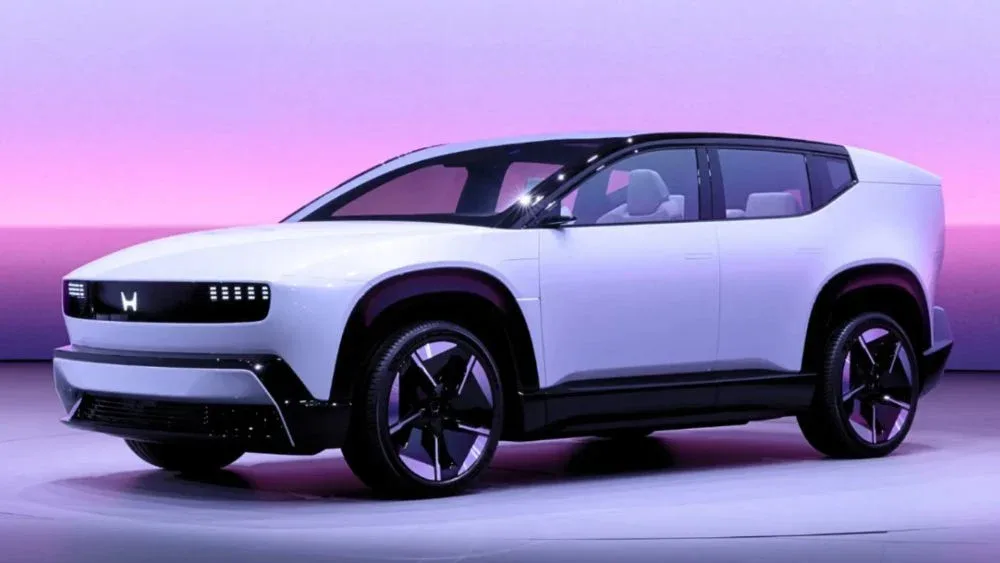
What About the Honda 0 Series Alpha EV?
Interestingly, the decision comes not long after the company showcased the Honda 0 Series Alpha at the Japan Mobility Show 2025.
The concept SUV attracted significant attention thanks to its bold futuristic design and advanced technology.
Key highlights of the concept included:
- Radical exterior styling
- Advanced EV architecture
- Next-generation software integration
- Improved battery efficiency
At the time, the concept was expected to lead the brand’s future EV expansion, with possible launches planned around 2027 in markets such as India and Japan.
The latest reports, however, suggest that the company is now reconsidering how these plans will move forward.
Why India Was Important in the EV Plan
During previous announcements, the company had identified India as a crucial market for its future growth.
The strategy involved strengthening its presence in three major regions:
- Japan
- North America
- India
India, in particular, was seen as a key opportunity due to the country’s rapidly growing automotive market and increasing interest in electric mobility.
With Chinese EV brands expanding aggressively across global markets, the company hoped to rebuild its global presence through strategic investments in these regions.
Whether those plans will continue in the same form remains uncertain for now.
Financial Impact of the Strategy Reset
Reassessing EV projects is not a small decision for a major automaker.
Reports suggest the company is reviewing investments related to its electrification strategy, with potential losses estimated at around ¥2.5 trillion (approximately ₹1.45 lakh crore).
Such large adjustments show how expensive it can be for automakers to develop entirely new electric platforms and vehicles.
As part of the restructuring process, senior executives are also expected to return a portion of their salaries, reflecting the financial impact of the changes.
Why Automakers Are Turning Back to Hybrids
While pure electric vehicles are gaining popularity, many manufacturers are now focusing more on hybrid technology as a transitional solution.
Hybrid vehicles offer several advantages:
- Lower fuel consumption
- Reduced emissions
- No dependence on charging infrastructure
- Familiar driving experience
For many buyers, hybrids represent a practical middle ground between traditional petrol cars and fully electric vehicles.
Because of this, the company is expected to increase its focus on hybrid models in the near future.
What This Means for the Future of EVs
The decision to cancel certain EV projects does not necessarily mean that the company is abandoning electric mobility altogether.
Instead, it reflects a strategic recalibration.
Automakers around the world are learning that the transition to electric vehicles may take longer than initially expected.
Instead of rushing into large investments, many companies are now adopting a more balanced approach, combining:
- Electric vehicles
- Hybrid technology
- Efficient petrol engines
This strategy allows manufacturers to remain flexible while the EV market continues to evolve.
Conclusion
The reported cancellation of the Honda 0 Series projects marks an important moment in the company’s electrification journey.
While electric vehicles remain a key part of the future automotive landscape, the global transition toward EVs is proving to be more complex than expected.
By reassessing its EV strategy and shifting focus toward hybrid technology, Honda appears to be adapting to changing market conditions rather than abandoning its long-term electrification goals.
For now, the industry will be watching closely to see how the company reshapes its electric vehicle plans in the coming years.
FAQs
1. What EV projects has Honda reportedly cancelled?
Reports suggest the company has cancelled several projects under the Honda 0 Series EV lineup, including a sedan, SUV and an Acura RSX EV.
2. What was the Honda 0 Series?
The Honda 0 Series was planned as a new generation of electric vehicles based on a dedicated EV platform.
3. Why did Honda cancel these EV projects?
The decision reportedly comes due to slower EV adoption, regulatory changes and financial considerations.
4. What is the Honda Zero Platform?
It is a dedicated electric vehicle architecture developed by Honda for future EV models.
5. Where were the EVs supposed to be produced?
Production was expected to take place at Honda’s EV facility in Ohio, United States.
6. What was the Honda 0 Series Alpha concept?
It was a midsize electric SUV concept showcased at the Japan Mobility Show 2025.
7. Was India part of Honda’s EV plan?
Yes, India was identified as one of the key markets for future EV expansion.
8. How much financial impact could the strategy change have?
Reports estimate potential losses of around ¥2.5 trillion.
9. Will Honda stop making electric cars completely?
No, the company is likely revising its strategy rather than abandoning EV development.
10. What technology will Honda focus on now?
The company is expected to focus more on hybrid vehicles in the near future.
By Bestgaddi