In a move that signals long-term confidence and shared ambition, Stellantis and Tata Motors Passenger Vehicles have signed a new Memorandum of Understanding (MoU) to further strengthen and expand their collaboration. The announcement comes as both companies celebrate two decades of partnership in India, a relationship that has quietly grown into one of the country’s most important automotive manufacturing alliances.
The fresh MoU is not just symbolic. It lays the foundation for deeper cooperation across manufacturing, engineering, and supply chain operations, both in India and select global markets. With India emerging as a global automotive hub, this renewed agreement positions both Tata Motors and Stellantis to unlock new opportunities in the years ahead.
A Partnership That Has Stood the Test of Time
The collaboration between Tata Motors and Stellantis traces its roots back over 20 years, operating through Fiat India Automobiles Private Limited (FIAPL) — a 50:50 joint venture that has steadily expanded in scale and importance.
What started as a strategic manufacturing tie-up has now evolved into a multi-dimensional partnership that covers:
- Vehicle manufacturing
- Powertrain production
- Engineering support
- Export operations
The new MoU is aimed at building on this solid foundation, rather than reinventing the wheel.
FIAPL: The Backbone of Tata–Stellantis Collaboration
At the heart of this partnership lies the Ranjangaon manufacturing facility in Maharashtra. Over the past two decades, FIAPL has grown into a highly capable production hub with impressive numbers to its name.
Key FIAPL highlights:
- Over 1.37 million vehicles produced since inception
- Around 5,000 employees currently working at the plant
- Annual production capacity of 222,000 units
This facility has consistently adapted to changing market demands, evolving regulations, and newer technologies — a big reason why both companies continue to place their trust in FIAPL.
Models Manufactured at the Ranjangaon Plant
Today, the Ranjangaon facility produces seven models in total, catering to both Indian and international markets.
Stellantis (Jeep) models:
- Jeep Compass
- Jeep Meridian
- Jeep Grand Cherokee (CKD)
- Jeep Wrangler (CKD)
Tata Motors passenger vehicles:
- Tata Nexon
- Tata Altroz
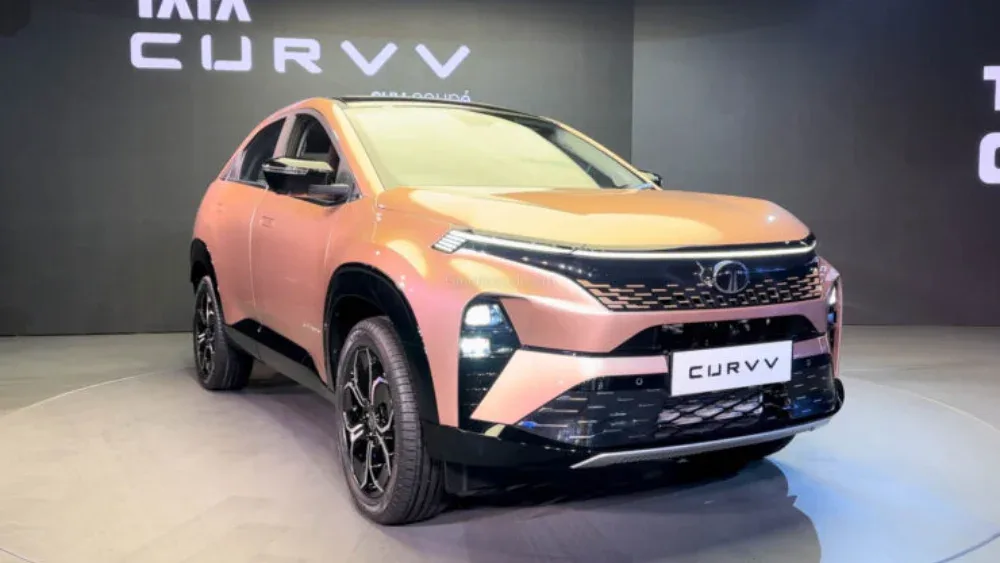
- Tata Curvv
This mix of mass-market Tata cars and premium Jeep SUVs highlights the flexibility and technical capability of the plant.
Beyond Cars: Powertrain and Component Manufacturing
FIAPL’s role extends well beyond assembling vehicles. The plant is also a key powertrain manufacturing hub, producing:
- Engines
- Transmissions
- Traction motors
These components are not just used domestically but are also exported to global markets, including Japan and South Africa. This export-oriented approach strengthens India’s position as a reliable automotive manufacturing base on the world stage.
With the new MoU in place, both companies aim to further leverage these strengths and explore new manufacturing and engineering possibilities.
What the New MoU Focuses On
While the exact details of the agreement have not been fully disclosed, the intent is clear: expand collaboration beyond current operations.
Key focus areas include:
- Joint evaluation of new manufacturing opportunities
- Enhanced engineering collaboration
- Supply chain efficiencies and localization
- Supporting future product programs
- Exploring opportunities in select global markets
Rather than being limited to existing models, the MoU allows both brands to think long-term and adapt to future industry trends, including electrification and stricter emission norms.
Tata Motors’ Perspective on the Partnership
Commenting on the renewed collaboration, Shailesh Chandra, Managing Director & CEO of Tata Motors Passenger Vehicles, emphasized the strength of the long-standing relationship.
He highlighted that the partnership with Stellantis is built on:
- Mutual trust
- Shared values
- A common long-term vision
According to Tata Motors, the new MoU is a natural progression of a relationship that has delivered consistent results over the last 20 years.
A Strategic Win for Stellantis in India
For Stellantis, India plays a crucial role as both a manufacturing base and a growing automotive market. Through FIAPL, Stellantis has been able to:
- Maintain a strong Jeep presence in India
- Optimize costs through local manufacturing
- Export vehicles and components to international markets
The new agreement allows Stellantis to deepen its footprint in India without starting from scratch, using FIAPL’s proven infrastructure and workforce.
Tata’s Growing Independence in Powertrain Development
One of the most significant developments linked to this partnership happened last year, when Tata Motors secured rights from Stellantis to independently develop and recalibrate the 2.0-litre Multijet II diesel engine.
This engine currently powers popular Tata SUVs like:
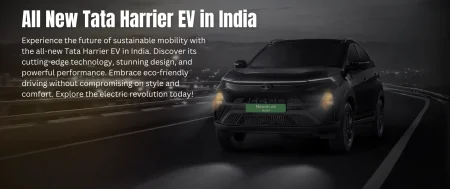
- Tata Harrier
- Tata Safari
What this means for Tata Motors:
- Full control over engine updates
- Ability to meet future emission regulations
- Freedom to offer multiple performance tunes
- No recurring royalty payments or approvals
This move gives Tata Motors far greater flexibility and reinforces its engineering independence, even while continuing collaboration with Stellantis.
Why This MoU Matters for the Indian Auto Industry
The renewed Tata–Stellantis partnership is more than just a corporate agreement. It reflects a larger trend in the Indian automotive industry.
Key takeaways:
- India is becoming a global manufacturing hub
- Long-term partnerships are replacing short-term alliances
- Local engineering and localization are gaining priority
- Export-focused production is on the rise
For consumers, this could translate into better products, improved quality, and faster adoption of new technologies.
What Could Come Next?
While neither company has confirmed future product plans under the new MoU, industry watchers believe the collaboration could extend into:
- New ICE models
- Hybrid powertrains
- Electric vehicle components
- Advanced manufacturing processes
Given Tata Motors’ strong EV push and Stellantis’ global EV expertise, future cooperation in this area would not be surprising.
Conclusion
The signing of a new MoU between Stellantis and Tata Motors marks an important milestone in a partnership that has already stood strong for 20 years. By expanding collaboration beyond current operations, both automakers are positioning themselves to stay competitive in a rapidly evolving automotive landscape.
With FIAPL continuing to act as a robust manufacturing and engineering hub, this renewed alliance promises long-term stability, innovation, and growth — not just for the two companies involved, but for India’s automotive ecosystem as a whole.
Frequently Asked Questions (FAQs)
1. What is the new MoU between Stellantis and Tata Motors about?
It focuses on expanding collaboration across manufacturing, engineering, and supply chain operations.
2. How long have Tata Motors and Stellantis been partners?
They have been working together for over 20 years.
3. What is FIAPL?
FIAPL stands for Fiat India Automobiles Private Limited, a 50:50 joint venture between Tata Motors and Stellantis.
4. Where is the FIAPL plant located?
The manufacturing facility is located in Ranjangaon, Maharashtra.
5. Which cars are produced at the Ranjangaon plant?
Models include Tata Nexon, Altroz, Curvv, Jeep Compass, Meridian, Wrangler (CKD), and Grand Cherokee (CKD).
6. Does FIAPL export vehicles?
Yes, vehicles and components are exported to markets like Japan and South Africa.
7. What engines are manufactured at FIAPL?
The plant produces engines, transmissions, and traction motors.
8. Did Tata Motors gain control over the Multijet diesel engine?
Yes, Tata Motors now independently develops and recalibrates the 2.0-litre Multijet II diesel.
9. Will this partnership include electric vehicles?
While not confirmed, future EV-related collaboration is a strong possibility.
10. Why is this MoU important for India?
It strengthens India’s role as a global automotive manufacturing and engineering hub.
By BestGaddi